
I went looking for real estate website inspiration expecting exactly what you would expect. A search bar, a grid of listings, a stock photo of a couple holding keys in front of a door. The same template with a different logo pasted on top.
Instead I kept landing on small agencies that did not look like that at all. Fewer listings on the homepage. More story. A founder's name and face instead of a corporate mission statement. Photography that looked like it belonged in a magazine, not an MLS feed.
That is the boutique look, and it turns out it is not about budget. It is about restraint.
Already know why boutique branding matters and just want the examples? Skip straight to the ten sites.
What Actually Makes A Real Estate Website Feel Boutique
Big franchise sites are built to serve every agent in every market at once. That is their job, and it shows. Every page follows the same structure because it has to scale to thousands of listings and hundreds of agents.
A boutique site only has to serve one thing well, a specific market, a specific kind of buyer, a specific point of view. That focus is what lets a small agency's website feel curated instead of generic.
Here is what that usually looks like in practice. A short, specific list of active listings instead of a full MLS dump. A real person's name attached to the brand, not just a logo. A visual identity that was clearly chosen on purpose, not picked from a franchise style guide. And a story on the About page that explains why this agency exists, not just what it does.
10 Boutique Real Estate Agency Websites Worth Studying
1. Carolwood Partners, Beverly Hills

carolwoodre.com is a boutique brokerage built by veteran agents who left larger firms to run something smaller and more selective. The site uses clean lines and a restrained, timeless layout instead of loud branding, which fits a client base that already knows the names behind it.
2. Village Properties, Santa Barbara
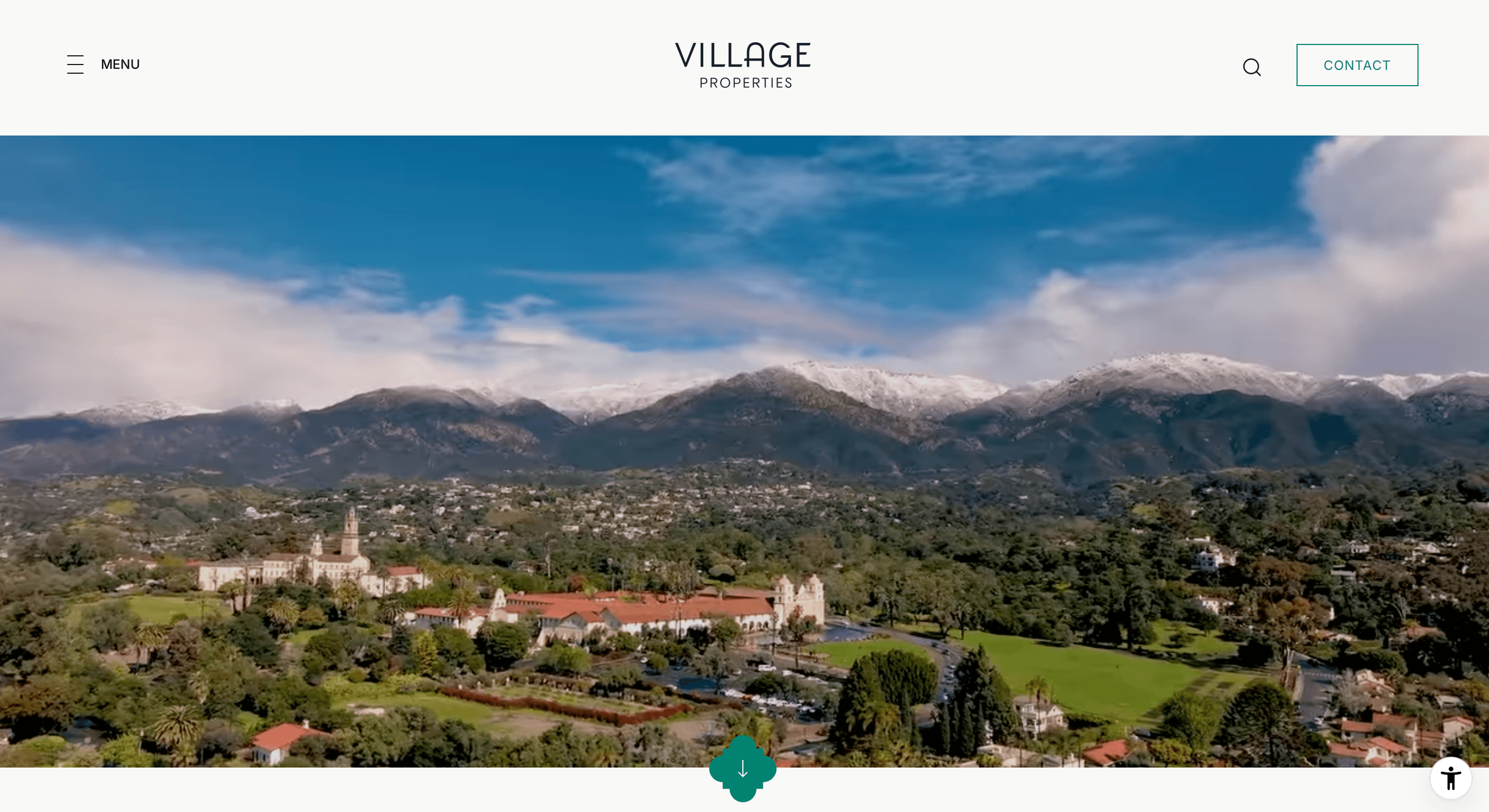
villagesite.com represents a market with a very specific character, and the site leans into it. Large, window like imagery gives every visitor a glimpse into a property before they click, which does more for emotional buy in than a standard thumbnail grid ever could.
3. Global Collective

globalcollective.com positions itself as a curated network of elite agents rather than a single office. The design commits to minimalist elegance, generous white space, muted typography, almost no clutter, which is exactly the tone a firm selling exclusivity should strike.
4. Bellis Realty Group, Portland
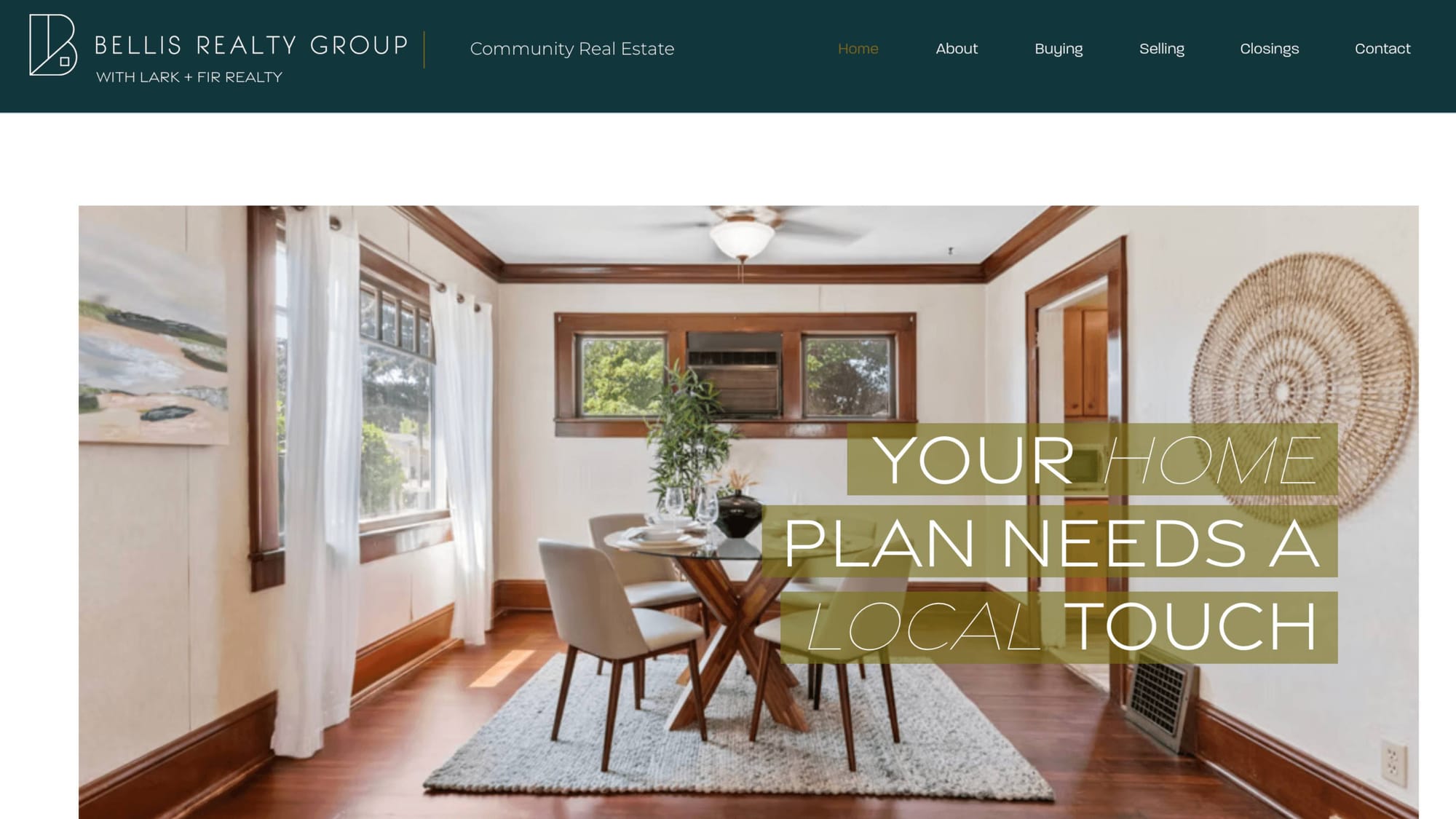
bellisrealtygroup.com is a small, neighborhood focused firm, and its website reflects that directly. Soft typography and a warm, balanced palette make the agency feel approachable rather than intimidating, which matters a great deal for a firm competing on trust in a specific community rather than volume.
5. Ginger Martin and Co, Napa Valley
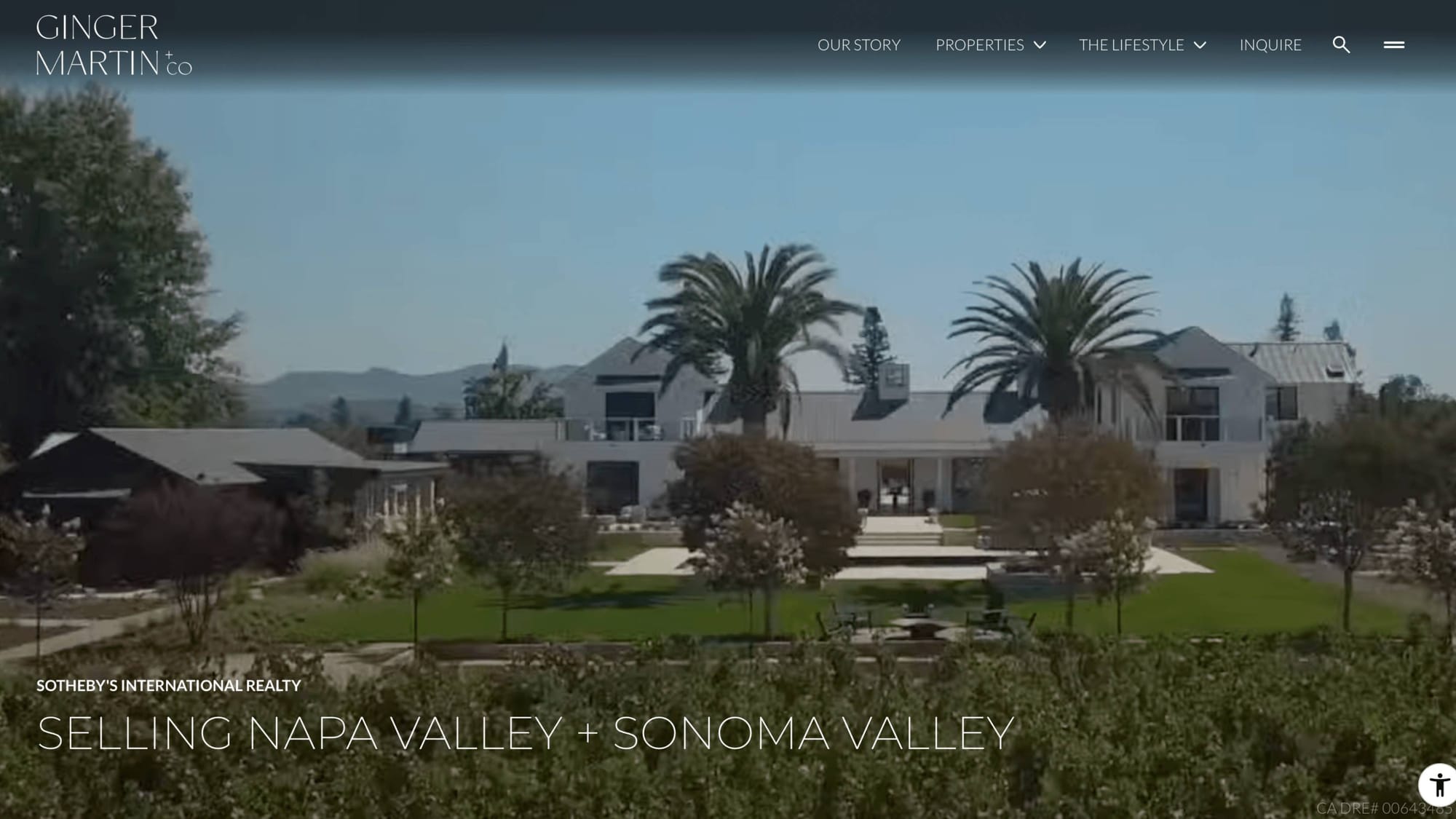
gingermartin.com is built around one person's reputation in wine country luxury real estate, and the site is not shy about it. Press mentions, testimonials in real client language, and property spotlight videos all work together to build credibility around a single name rather than a faceless brand.
6. Avant Garde Aspen, Aspen and the Roaring Fork Valley
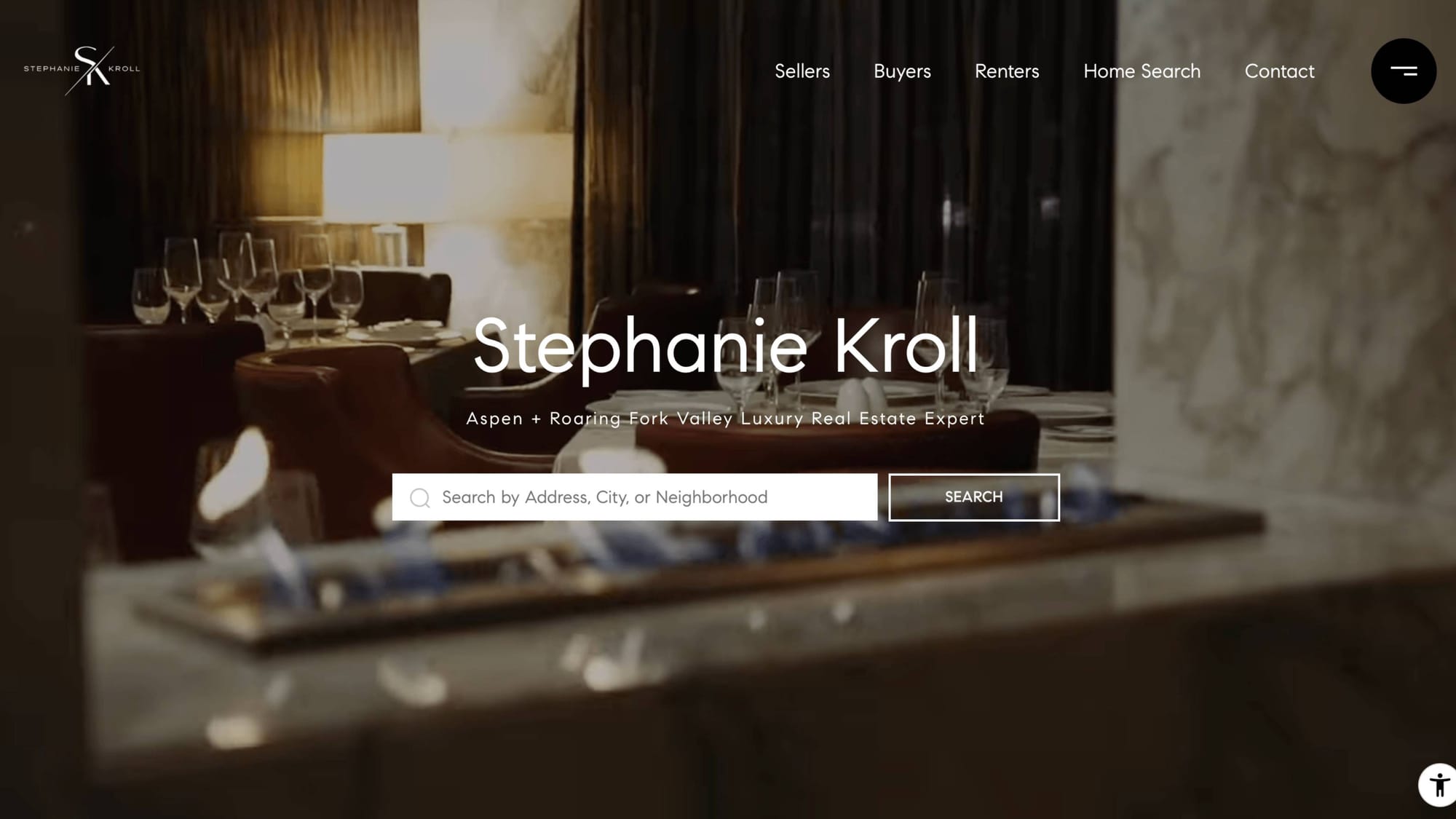
avantgardeaspen.com is run by a two person team at Compass with backgrounds in architecture and design, and the site reflects that directly. Clean, modern layouts and a focus on architecturally significant homes signal a very specific kind of buyer before a single listing even loads, proof that a boutique brand can live inside a larger brokerage's platform and still feel entirely its own.
7. KD Prime Properties, Miami
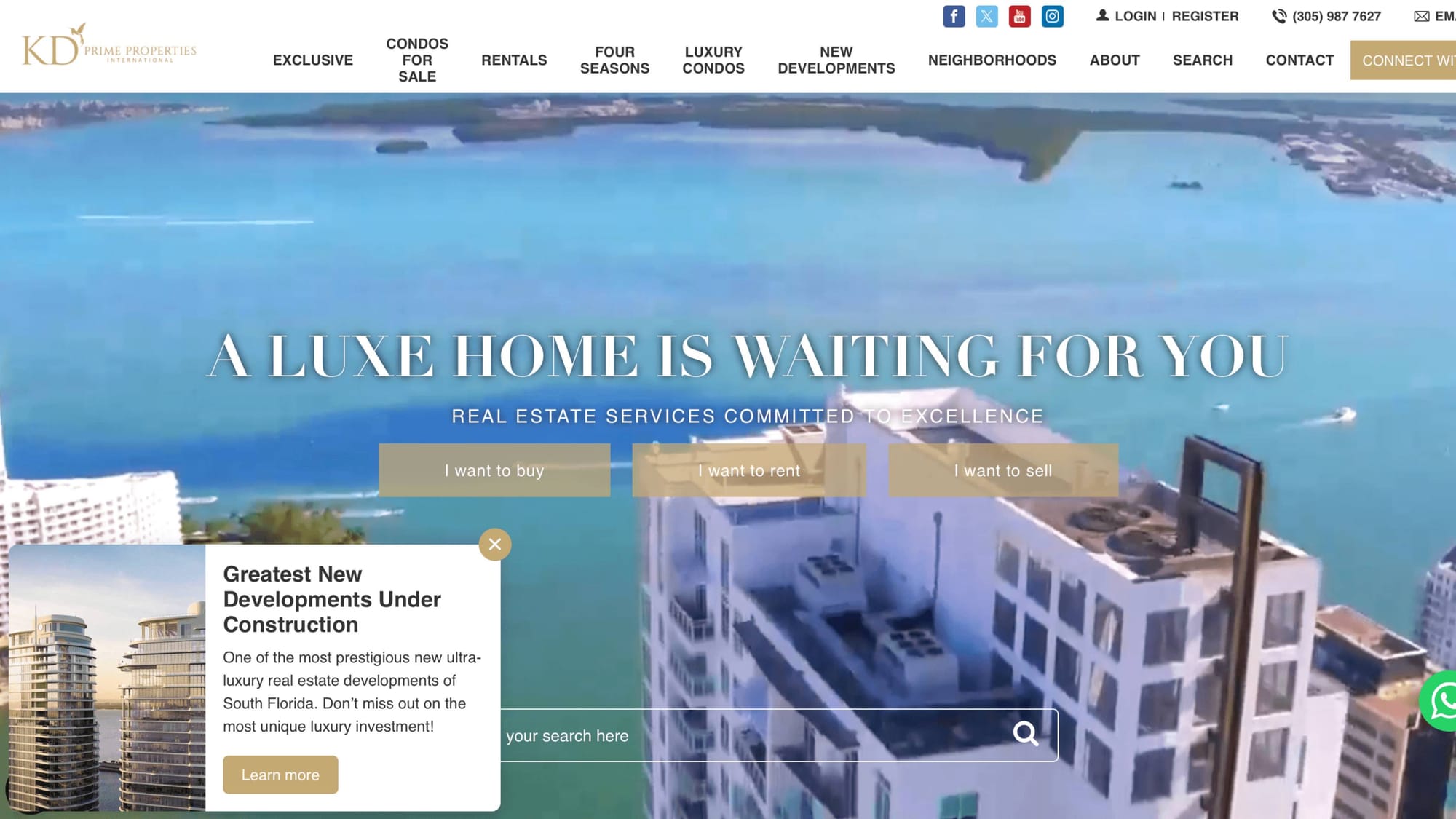
kdprimeproperties.com focuses tightly on a handful of Miami neighborhoods, Brickell, Miami Beach, Coconut Grove, Coral Gables, instead of trying to cover the whole metro area. That narrow geographic focus is itself a boutique strategy, and the website's structure, organized by building and neighborhood, reinforces it.
8. S&P Real Estate Corp, Vancouver
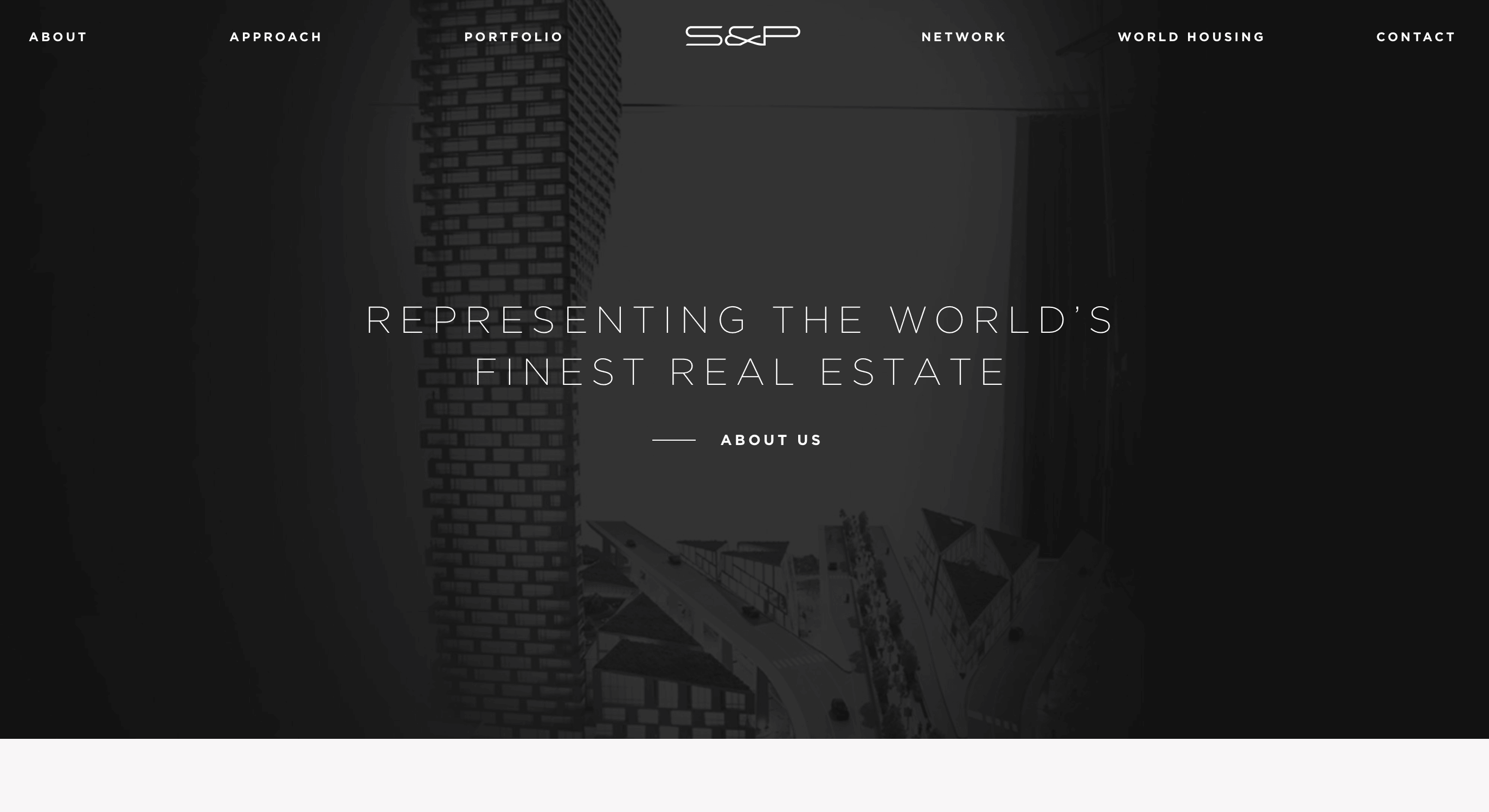
sprec.com works with developers on branded residences and super prime properties internationally, and the site matches that positioning with a black and white palette, generous negative space, and parallax scrolling that encourages slow exploration instead of a quick scan.
9. Nourmand and Associates, Beverly Hills
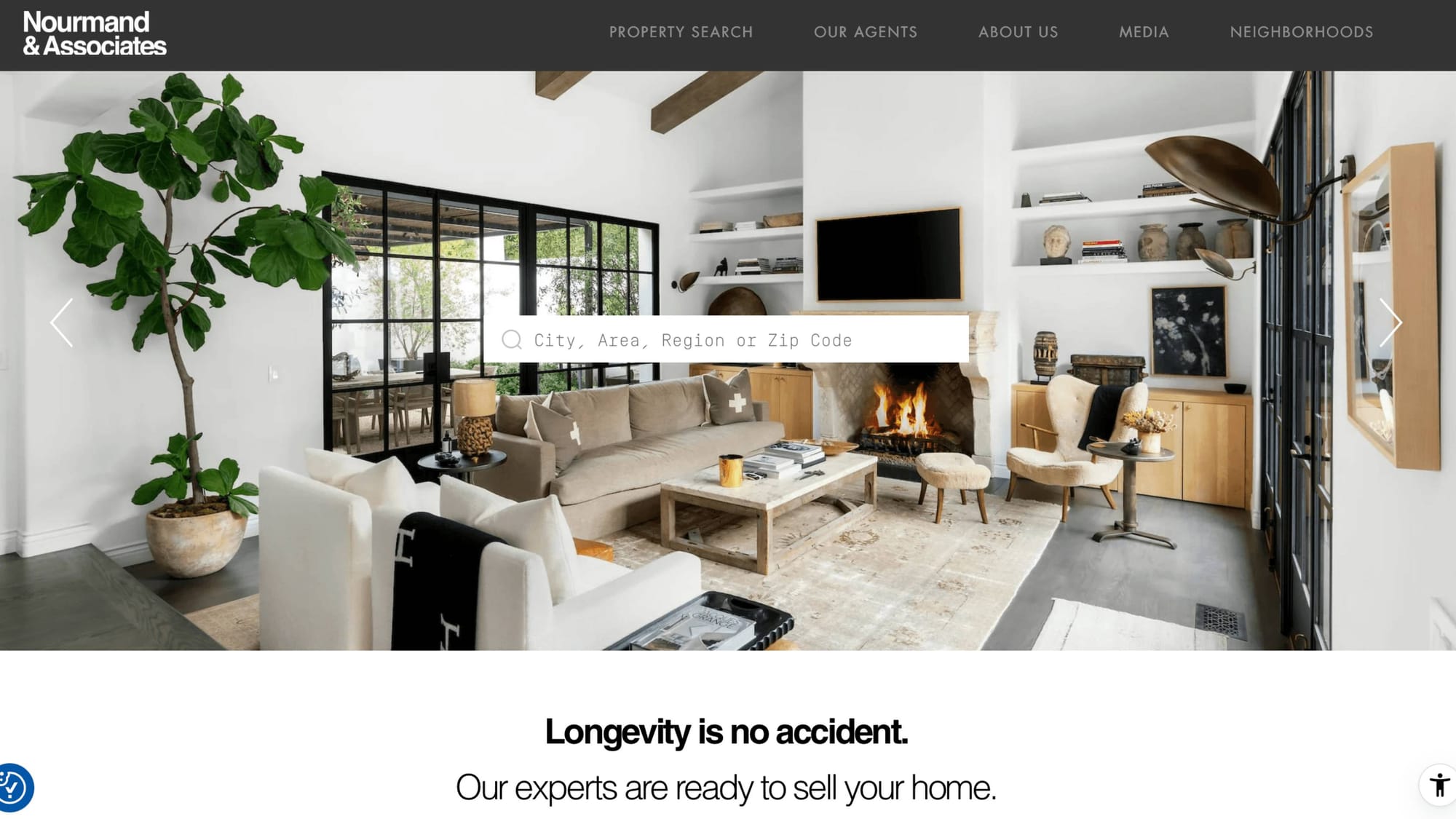
nourmand.com has grown since 1976 but has kept a family owned, independent identity the whole way, and the website still leads with that history rather than agent count. It is a useful example of a boutique brand that scaled without losing its founding story.
10. Home In Amelia Island, Florida

homesinameliaisland.com is built entirely around one agent, Kelli Allen, and one very specific coastal market. It proves the boutique approach works at the smallest possible scale too, a single agent with a tightly defined niche and a website built entirely around that focus.
How To Become A Boutique Real Estate Agency
Looking at ten examples is useful. Building one is the actual goal, so here is the practical version.
Step 1: Pick a niche you can actually own. That might be a neighborhood, a property type like historic homes or waterfront land, or a specific kind of client like first time buyers or downsizing retirees. A boutique agency is defined by what it says no to as much as what it says yes to.
Step 2: Build a visual identity on purpose. Do not default to whatever a template suggests. Choose a palette, a typeface, and a tone that reflect the niche from Step 1, and apply it consistently everywhere, the website, the signage, the social media graphics, all of it.
Step 3: Put a real person at the center of the brand. Almost every example above leads with a founder's name, face, or story. Buyers trust people, not logos, especially in a boutique context where personal service is the whole pitch.
Step 4: Curate the listings you show. A homepage does not need every active listing in the market. A shorter, better photographed selection signals quality over quantity, the same instinct behind a small restaurant menu compared to a diner's.
Step 5: Invest in real photography and video. This is the fastest way to separate a boutique brand from a franchise one visually. Stock photos and phone snapshots read as generic no matter how good the copy is.
Step 6: Treat social media as part of the brand, not an afterthought. This is the step most small agencies underinvest in, and it is a mistake. A beautiful website that nobody sees because the agency never posts is a website that is not doing its job. Consistent posting across Google Business Profile, Instagram, Facebook, Twitter, and LinkedIn is what keeps a boutique brand visible between transactions, not just during them.
This is exactly the gap Circleboom is built to close for a small team. Instead of writing and posting to five platforms separately, an agency can draft a batch of content once, let Circleboom generate hashtags and image alt text automatically, and schedule everything across all five networks from one dashboard. If you want a ready made starting point, we broke down exactly how to build a hundred post content library for a real estate account in I Used Claude and Circleboom to Create 100 Social Media Posts for Real Estate Agencies, grouped into topics buyers and sellers actually care about.

Step 7: Collect stories, not just star ratings. A five star review says an agency did its job. A specific story, the client who almost lost a bidding war, the first time buyer who was terrified of the process, says why this agency was worth choosing over the next one. Boutique brands are built on stories like that.
Step 8: Keep everything smaller than feels comfortable. Fewer listings, fewer service lines, fewer neighborhoods. The instinct to expand and cover more ground is exactly what erodes the boutique feel over time. The agencies above stay sharp because they resist that instinct.
None of the ten sites above are boutique because they spent the most money. They are boutique because every choice on the page, the listings shown, the photography, the story, the tone, was made on purpose instead of by default. That is the whole difference, and it is the one thing a bigger competitor cannot simply outspend.