Suspicious accounts are everywhere on X. A reply that feels canned, a new follower with a scrambled handle, an outreach target you are not sure is real.
The question is always the same: is this a bot?
And X gives you no button to answer it.
You can inspect the account by hand, posting frequency, follower ratio, profile completeness, but that takes time and judgment you may not have in the moment. Most people guess and move on, which means real bots slip through and real humans get ignored.
There is a faster way: run the username through a checker that reads the public signals for you and returns a plain verdict.
Circleboom's Twitter bot account checker evaluates a single account's public signals and returns a clear verdict on whether it is a bot, from one username and one click. No probability percentage to interpret, just a direct answer you can act on.
→ Twitter bot account checker
Below: the signals that give bots away, and how to check an account in seconds.
What Actually Gives a Bot Away
Bots leave fingerprints, and knowing them helps you read any account faster. The clearest is posting volume: a human might post ten or fifteen times a day, while a bot can fire off hundreds or thousands, far beyond what a person sustains.
The profile itself is another tell. A scrambled handle full of random letters and numbers, a generic or missing avatar, and an empty bio all point toward automation.
So does a lopsided ratio, an account following thousands while almost no one follows back, or one with a big follower count and almost no original posts. These are the same signals people look for when they ask how to check if someone's followers are fake or real.
Engagement is the subtlest signal. Real accounts reply, quote, and converse; bots tend to broadcast, repeat, or interact in ways that feel off.
Reading all of this by hand works, but it is slow, which is why a checker that weighs the signals for you is worth using to run a Twitter bot account checker instead.
How the Checker Reads the Signals for You
Circleboom's Bot X Account Checker automates that whole inspection. You enter a username, and it evaluates the account's public signals, behavior patterns, profile completeness, posting activity, structural indicators, then returns a verdict in plain language.
The output is deliberately binary. Instead of a "73% bot" score that leaves you interpreting, it states clearly whether the account isn't a bot profile or shows bot-like characteristics.
Because Circleboom is an official X Enterprise Developer company, it reads only public data through sanctioned access, so the check is compliant and safe. It is the quick counterpart to a deeper question like whether a Twitter account is authentic.
Video walkthrough: checking whether a Twitter account is a bot in a single lookup.
How to Check If a Twitter Account Is a Bot (Step by Step)
Here is the flow, start to finish.
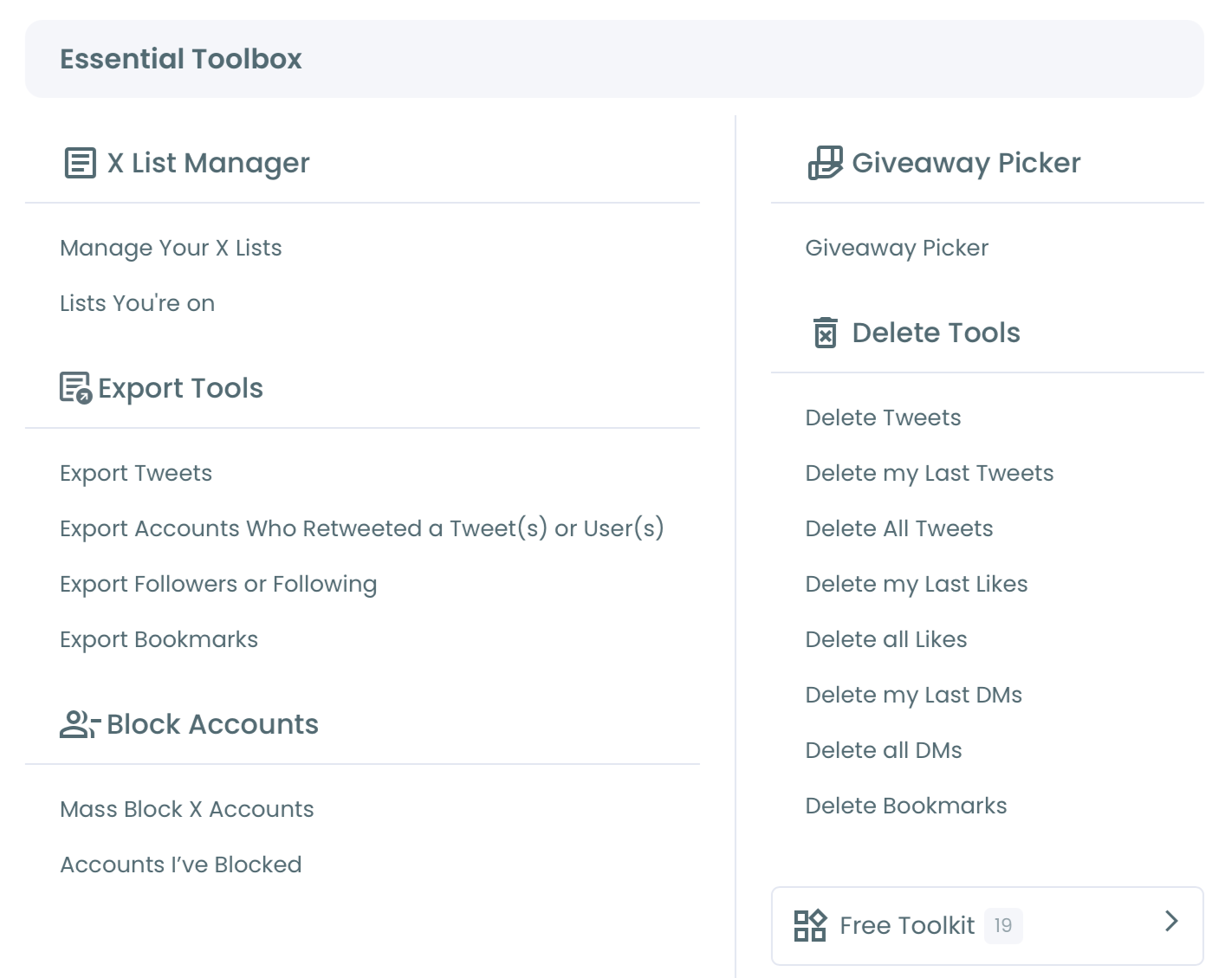
1. Open the Twitter bot account checker and find the username field. Logged-in users can also reach it inside the Essential Toolbox.

2. Type the @username you want to evaluate, using letters, numbers, and underscores.
3. Click Search and let Circleboom weigh the account's public signals.
4. Read the verdict and decide whether to engage, ignore, block, or remove the account.
That order works because the tool does the heavy inspection for you: you supply the username, it reads the signals a manual check would take minutes to gather, and you get an answer you can act on immediately.
Bots, Automated Accounts, and Fake Accounts Are Not the Same
A common confusion muddies these checks: bot, automated, and fake are three different things. Treating them as one leads to wrong calls.
A bot is an account run by automation with little or no human behind it. An automated account may be a real person or brand using scheduling tools, which looks busy but is not a bot.
A fake account is one pretending to be someone or something it is not, which may or may not be automated. The difference between bots and automated accounts matters, because a scheduled professional account is not the problem a spam bot is.
That is why the bot checker pairs well with a fake-account check. An account can look authentic but behave like automation, or look incomplete but be a real person.
Running both gives you fuller coverage than either alone, and reflects the same logic behind a complete fake-follower audit.
What to Do With the Verdict
A verdict is only useful if it leads to an action. Once the checker tells you what you are dealing with, your next move depends on the context.
For a suspicious new follower, a bot verdict supports a quick block or removal so it stops polluting your metrics. For a reply or mention that feels coordinated, it confirms whether to mute or ignore.
For a potential partner or outreach target, it is basic due diligence before you invest time. If you keep finding bots among your own followers, that signals a bigger cleanup, the kind covered in guides on stopping bots from following you.
The key discipline is to treat the verdict as a strong signal, not absolute proof. Some legitimate accounts have unusual patterns from heavy professional use or scheduling, so context still matters when you decide how to act.
Why Bot Checks Matter for Your Account
Checking individual accounts is also account hygiene. Bots in your replies, your follower list, or your outreach segments quietly degrade everything built on top of them.
They distort your engagement rate, waste your attention, and can make your audience look worse than it is to anyone evaluating you. A habit of checking suspicious accounts, and acting on the ones that fail, keeps your audience picture honest.
It is the single-account version of asking how many of your followers are bots and dealing with the answer.
For deeper diligence, pair the checker with the fake account checker and a shadowban test to evaluate an account from several angles at once.
The Bottom Line
X will not tell you whether an account is a bot, so you are left inspecting signals by hand or guessing. A checker reads those signals for you and returns a clear verdict, turning a slow judgment call into a one-click answer.
Run the username, read the verdict, and act, knowing a bot is a signal to handle, not always a certainty to assume.
→ Check an account with the Twitter bot account checker
Common Questions About Checking for Bots
Is the bot account checker free?
Yes. It is a free Circleboom Toolkit tool. You enter a username, click Search, and get a verdict without any cost or account setup required.
Does it give a percentage or a yes-or-no answer?
A plain verdict, not a percentage. It states whether the account isn't a bot or shows bot-like characteristics, so you do not have to interpret a probability score.
Can it be wrong?
Treat it as a strong signal, not absolute proof. Some real accounts post at high frequency or use scheduling tools, which can look automated, so context still matters before you act.
What is the difference between a bot and a fake account?
A bot is automated with little human input; a fake account pretends to be someone it is not. They overlap but are not identical, which is why pairing the bot checker with a fake-account check gives fuller coverage.
What should I do if an account is a bot?
Decide by context: block or remove a bot follower, mute or ignore a bot reply, and skip a bot account in outreach. If bots keep appearing among your followers, a broader cleanup is worth running.